
Common Symptoms of Psoriasis
posted: Mar. 21, 2026.
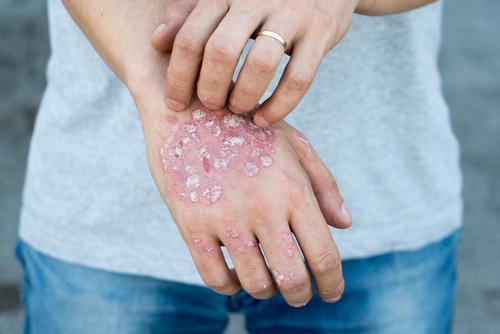
At Advanced Dermatology and Mohs Surgery in Batavia, IL, serving Wheaton, St. Charles, Naperville, Elgin, Aurora, and DeKalb, IL, we help patients recognize psoriasis early and manage it with a treatment plan that fits the type and severity of their symptoms. Psoriasis is a chronic condition that develops when the immune system triggers skin cells to grow too quickly. New cells form in days instead of weeks, which causes a buildup on the skin surface.
What Psoriasis Often Looks and Feels Like
Many patients notice patches of thickened skin that look inflamed and feel irritated. Symptoms often include dryness, flaking, and scaling because excess skin cells accumulate faster than the body can shed them. The affected areas may itch, sting, or burn, and discomfort often increases when skin becomes cracked or when friction occurs from clothing or movement.
Plaque Psoriasis Symptoms
Plaque psoriasis is the most common type. Patients typically develop raised patches that appear red or darker than surrounding skin with a noticeable buildup of scale. These plaques often appear on the elbows, knees, scalp, and lower back, but they can develop anywhere. Some patients also notice soreness or tightness in the skin, especially when plaques thicken or when the skin dries out.
Guttate Psoriasis Symptoms
Guttate psoriasis often shows up as many small, scattered spots rather than one or two larger plaques. These spots can appear suddenly and may spread across the trunk, arms, and legs. Many patients notice this pattern after an illness, especially when immune activity increases.
Inverse Psoriasis Symptoms
Inverse psoriasis commonly affects skin folds, including the armpits, under the breasts, the groin, and other areas where skin rubs together. In these locations, psoriasis often looks smoother and more intensely irritated because moisture and friction reduce visible scaling. Patients frequently report burning, soreness, and irritation that worsens with sweating and movement.
Pustular and Erythrodermic Symptoms
Some people develop pustular psoriasis, which involves visible pustules and significant inflammation. Others may develop erythrodermic psoriasis, which can cover large areas of the body and cause severe redness and peeling. These forms can escalate quickly, so prompt evaluation matters.
Psoriasis is Not Contagious
Psoriasis can look concerning, but it does not spread through touch. This reassurance helps families and patients reduce stress, which can also support symptom control.
How We Diagnose and Treat Psoriasis
We diagnose psoriasis through a focused skin evaluation and by identifying the pattern and location of symptoms. We then match treatment to your type of psoriasis and your day-to-day comfort goals. Treatment can include topical medications to reduce inflammation and scaling, targeted light-based therapy when appropriate, and systemic options for patients with more extensive disease. We also provide skincare guidance that supports the skin barrier and reduces irritation.
Schedule a Psoriasis Evaluation in Batavia, IL
If you notice persistent patches, scaling, itching, or recurring flare-ups that suggest psoriasis, we can evaluate your skin and recommend a clear plan. Contact Advanced Dermatology and Mohs Surgery in Batavia, IL, serving Wheaton, St. Charles, Naperville, Elgin, Aurora, and DeKalb, IL, at 630-482-3700 to schedule an appointment.
