
When to See a Doctor for a Stubborn Wart
posted: Jun. 05, 2025.
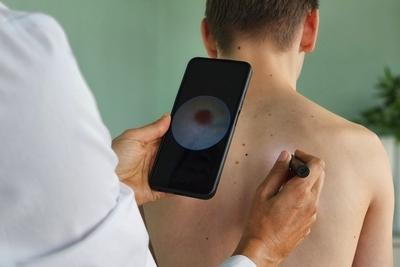
Warts are benign growths on the skin caused by the human papillomavirus (HPV). They can appear anywhere on the body but are most commonly found on the hands, feet, and face. While warts are generally harmless, they can be unsightly, and depending on where they are located, painful, leading many people to seek treatment. The team at Advanced Dermatology and Mohs Surgery, based in Batavia, Illinois, and serving Wheaton, Elgin, Dekalb, Naperville, Aurora, and St. Charles, wants you to know how we can help if you have a stubborn wart.
Recognizing Stubborn Warts
Most warts will resolve on their own over time, but some can persist for months or even years. If you notice that a wart is not responding to over-the-counter treatments or home remedies, it may be time to consult a dermatologist. Stubborn warts may exhibit certain characteristics, such as:
- Increased size or thickness
- Changes in color or texture
- Pain or discomfort, especially when pressure is applied
- Bleeding or oozing
When to Seek Medical Attention
There are situations in which it’s especially important to visit a dermatology practice for a stubborn wart. If the wart is causing pain or making it difficult for you to walk, consult a dermatologist. Additionally, if the wart is located in a sensitive area, such as the genitals or face, professional evaluation is recommended to ensure appropriate treatment.
If you have a weakened immune system due to a medical condition or medication, it’s also advisable to seek medical attention for warts that do not respond to treatment. People with compromised immune systems may be more susceptible to persistent warts and require specialized care.
Treatment Options for Stubborn Warts
At Advanced Dermatology and Mohs Surgery, serving Batavia, Wheaton, Elgin, Dekalb, Naperville, Aurora, and St. Charles, Illinois, Dr. Sharon Horton and our physician assistants will conduct a thorough evaluation of your wart to determine the most effective treatment options. Common treatments for stubborn warts include:
- Cryotherapy: This involves freezing the wart with liquid nitrogen, causing it to fall off over time. Cryotherapy is a quick and effective method for many patients.
- Laser Therapy: For warts that are resistant to other treatments, laser therapy can be used to target and destroy the wart tissue.
- Topical Treatments: Prescription-strength topical treatments may be recommended to help remove stubborn warts. These treatments often contain stronger acids or medications that promote skin cell turnover.
- Surgical Removal: In some cases, surgical excision may be necessary to remove the wart completely, especially if it is large or deeply rooted.
Preventing Future Warts
While it may not be possible to prevent all warts, there are ways you can reduce your risk. Avoiding direct contact with warts on others, keeping your skin clean and dry, and wearing protective footwear in communal areas (such as pools and locker rooms) can help minimize exposure to the virus.
If you have a history of warts, consider discussing preventive measures with your physician during your visit. They can provide guidance on maintaining healthy skin and reducing the likelihood of future warts.
Get Rid of Even the Stubbornest Warts
Stubborn warts can be frustrating and uncomfortable, but treatments are available. If you are experiencing persistent warts or have concerns about your skin, call Advanced Dermatology and Mohs Surgery in Batavia, serving Wheaton, Elgin, Dekalb, Naperville, Aurora, and St. Charles, Illinois. Together, we can develop a plan to help you achieve clear, healthy skin.
